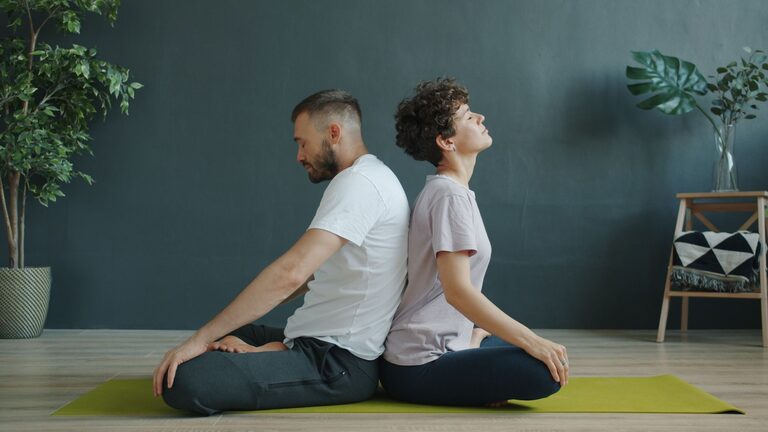

In our fast-paced world, it’s easy to feel overwhelmed and distracted. Mindfulness offers a way to slow down, tune in, and experience life more fully. The great news is that mindfulness doesn’t require special equipment or a lot of time. With simple practices woven into your daily routine, you can cultivate greater calm, focus, and well-being.
What is Mindfulness?
Mindfulness means paying attention to the present moment in a purposeful and non-judgmental way. It’s about noticing your thoughts, feelings, bodily sensations, and surrounding environment without trying to change or avoid them. This awareness builds a clarity that helps you respond rather than react to life’s ups and downs.
Benefits of Mindfulness in Daily Life
Regular mindfulness practice can:
– Reduce stress and anxiety
– Improve concentration and memory
– Enhance emotional regulation
– Promote better sleep
– Increase feelings of happiness and contentment
These benefits are accessible even from brief, simple mindfulness exercises.
Simple Mindfulness Practices to Try Today
Here are easy mindfulness techniques to incorporate into your daily life.
1. Mindful Breathing
One of the simplest ways to practice mindfulness is to focus on your breath.
– Sit or stand comfortably with your back straight.
– Close your eyes if you like, or soften your gaze.
– Take slow, deep breaths in through your nose and out through your mouth.
– Pay attention to the sensation of the air entering and leaving your body.
– If your mind wanders, gently bring your focus back to your breath.
Start with just 1-2 minutes and gradually increase the time as you feel comfortable.
2. Body Scan
A body scan helps you tune in to physical sensations and release tension.
– Find a quiet place to lie down or sit.
– Close your eyes and take a few deep breaths.
– Slowly bring your attention to different parts of your body, starting from your toes and moving up to your head.
– Notice any areas of tightness, warmth, or relaxation.
– Don’t try to change anything; simply observe the sensations.
This practice can be especially helpful before sleep or during stressful moments.
3. Mindful Eating
Eating mindfully turns mealtime into an opportunity to slow down and savor.
– Remove distractions like phones or TV.
– Look at your food and notice the colors, shapes, and smells.
– Take small bites and chew slowly.
– Pay attention to the texture and flavors.
– Notice how your body feels as you eat.
Mindful eating can improve digestion and help you better appreciate your meals.
4. Mindful Walking
Walking doesn’t have to be rushed or mindless. Use it as a chance to practice mindfulness.
– Walk at a natural pace.
– Focus on the sensation of your feet touching the ground.
– Notice how your legs, arms, and body move.
– Take in the sounds, smells, and sights around you.
– If your mind drifts, gently bring your attention back to the experience of walking.
Even a short mindful walk around your block can refresh your mind.
5. Mindful Listening
Listening mindfully strengthens your connections with others and enhances your awareness.
– When talking with someone, focus fully on their words.
– Notice their tone, pauses, and emotions.
– Avoid planning your response while they’re speaking.
– If your attention wanders, gently bring it back to the speaker.
This practice fosters empathy and reduces misunderstandings.
Tips for Building a Mindfulness Habit
Consistency is more important than duration. Here are some tips to help you maintain your practice:
– Start small: Just a few minutes a day is enough to begin.
– Pick a routine time: Practice mindfulness at the same time daily, such as in the morning or before bed.
– Use reminders: Set alarms or sticky notes to prompt you.
– Be patient: It’s normal for your mind to wander; gently bring it back without judgment.
– Combine with daily activities: Turn chores like washing dishes or brushing teeth into mindful moments.
Resources for Further Practice
If you want to explore mindfulness deeper, consider:
– Guided meditation apps such as Headspace or Calm
– Books like “Wherever You Go, There You Are” by Jon Kabat-Zinn
– Local mindfulness classes or workshops
Final Thoughts
Mindfulness is a simple yet powerful tool that anyone can use to improve daily life. By introducing small, practical exercises into your routine, you can create moments of peace and clarity in the midst of a busy day. Start with one practice today and notice how it changes your experience of the world around you.