
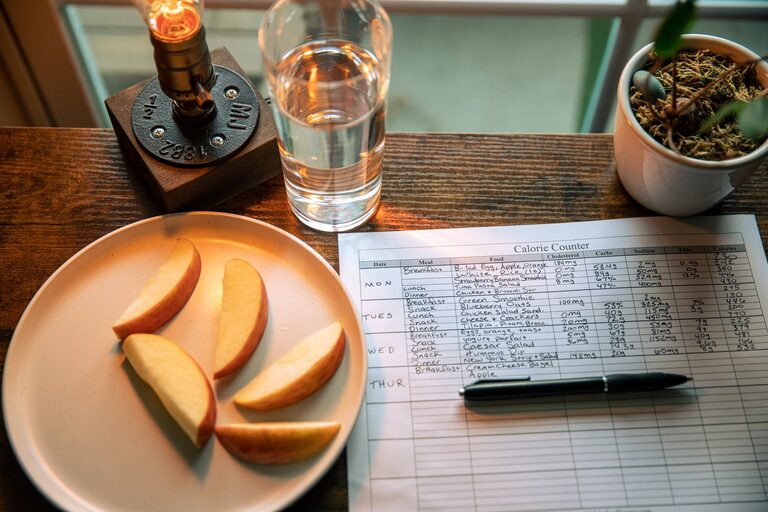
Planning balanced meals can often feel overwhelming, especially when juggling work, family, and other daily responsibilities. The good news is that creating nutritious and satisfying meals doesn’t have to be stressful or time-consuming. With a few simple strategies and a little preparation, you can enjoy well-rounded meals that support your health and energize your day.
In this article, we’ll explore practical tips to help you plan balanced meals without stress, including how to choose ingredients, organize your week, and keep meals exciting and delicious.
What Is a Balanced Meal?
Before diving into meal planning, let’s understand what makes a meal balanced. A balanced meal typically includes:
– Protein: Supports muscle repair and keeps you feeling full.
– Healthy Fats: Provide energy and support brain function.
– Carbohydrates: Offer fuel for your body, ideally from whole grains and vegetables.
– Fiber: Aids digestion and promotes satiety.
– Vitamins and Minerals: Essential for overall health and wellbeing.
A simple example might be grilled chicken (protein), quinoa (carb), steamed broccoli (fiber and vitamins), and a drizzle of olive oil (healthy fat).
Step 1: Keep It Simple
One reason meal planning feels stressful is the tendency to overcomplicate things. Instead of aiming for gourmet dishes every day, focus on simple, wholesome meals.
– Choose 3-5 staple proteins such as chicken, beans, fish, tofu, or eggs.
– Pick a few whole grains like brown rice, quinoa, or whole wheat pasta.
– Stock up on seasonal vegetables and fruits.
– Use basic cooking methods: roasting, sautéing, steaming, or baking.
By limiting your options, shopping becomes easier and cooking faster.
Step 2: Plan Your Meals for the Week
Setting aside a little time each week to plan your meals can save you from last-minute scrambling.
– Make a Weekly Menu: Decide what you’ll eat for breakfast, lunch, and dinner for each day. Include snacks if needed.
– Batch Cook: Prepare large portions of grains, proteins, or roasted vegetables in advance to mix and match throughout the week.
– Use a Meal Planning Template: Whether digital or on paper, having a chart helps visualize your week’s meals.
This approach not only reduces daily decision fatigue but also helps ensure your meals are balanced.
Step 3: Build Each Meal with the Plate Method
A helpful way to create balanced meals without overthinking is the plate method:
– Fill half your plate with vegetables or salad.
– Reserve one-quarter for lean protein.
– Use the remaining quarter for whole grains or starchy vegetables.
This visual guide helps maintain portion control and balance nutrients naturally.
Step 4: Smart Grocery Shopping
Good meal planning includes smart shopping habits.
– Make a List Based on Your Meal Plan: Stick to it to avoid impulse buys.
– Shop Seasonally: Seasonal produce is fresher, tastier, and often less expensive.
– Buy in Bulk When Possible: Grains, beans, nuts, and frozen vegetables keep well and save money.
– Check Your Pantry: Use ingredients you already have to reduce waste.
Organizing your list by store sections can also make shopping quicker.
Step 5: Use Time-Saving Cooking Tips
Cooking doesn’t have to be a chore. Try these ideas to save time:
– One-Pot Meals: Soups, stews, and casseroles can combine all food groups and reduce cleanup.
– Slow Cooker or Instant Pot: Set it and forget it while meals cook effortlessly.
– Pre-Chopped Veggies: Purchase pre-cut produce when in a rush, or chop once and store for the week.
– Freezing Meals: Make double portions and freeze leftovers for busy days.
These strategies give you flexibility and keep stress low.
Step 6: Stay Flexible and Enjoy Your Food
Meal planning should support your lifestyle, not restrict it.
– Allow room for dining out or ordering in occasionally.
– Be willing to swap ingredients or meals based on cravings or what’s available.
– Don’t aim for perfection; balance over time is what counts.
Remember, enjoying your meals is just as important as their nutritional value.
Sample Balanced Meal Ideas
Here are some simple meal ideas to inspire your planning:
Breakfast
– Greek yogurt topped with berries, nuts, and a drizzle of honey.
– Whole-grain toast with avocado and a boiled egg.
Lunch
– Quinoa salad with chickpeas, cucumbers, tomatoes, feta, and olive oil.
– Turkey and vegetable wrap with hummus.
Dinner
– Baked salmon with roasted sweet potatoes and steamed green beans.
– Stir-fried tofu with brown rice and mixed vegetables.
Snacks
– Apple slices with almond butter.
– Carrot sticks and hummus.
Final Thoughts
Planning balanced meals without stress is achievable by simplifying your approach, organizing your week, and using practical cooking shortcuts. With consistency and a positive mindset, creating nourishing meals can become an enjoyable part of your routine.
Remember, the goal is progress, not perfection. Small, consistent steps lead to healthier meals and a happier you.
—
By following these tips, you can enjoy the benefits of balanced nutrition while keeping mealtime stress at bay. Happy cooking!